How to Identify Typical Sprinkler Repair Work Problems Quick
A grass or planting bed can go from healthy to stressed in a single warm week. When watering falters, the majority of the damage occurs quietly, listed below grade or in the wee hours before daybreak. Rapid, confident diagnosis is the difference in between a quick fix and a month of brown patches, muddy trenches, and a higher water expense. After a couple years of creeping via shutoff boxes, mapping low-voltage lines, and replacing heads by headlamp, I have settled on a functional approach that reaches the root cause quickly and prevents guesswork.
Why speed matters more than perfection
Every hour a malfunctioning zone runs, it substances the issue. A stuck shutoff can dispose hundreds of gallons in a day. A busted riser can excavate a trench under a driveway. A misadjusted spray on a south-facing incline can scorch lawn in 2 days of 95 level heat. Smart sprinkler upkeep intends to stop those failures, but when trouble shows up, the initial step is control, then diagnosis.
You do not require a vehicle loaded with parts to obtain 80 percent of concerns recognized. You need a methodical series and a few devices. As soon as you recognize which symptoms point to supply, control, or circulation, you can address most sprinkler repair work situations the same day.
A quick triage you can run in 10 minutes
Use this as your initial pass prior to you start excavating. It tightens the area from a loads possibilities to two or three.
https://andrecquq028.fotosdefrases.com/smart-lawn-sprinkler-installment-updating-to-wi-fi-controllers- Confirm the controller is powered, readied to the appropriate date and time, and not in rainfall hold-up. Manually run the suspect zone for 2 minutes.
- Watch the water meter. If it spins hugely without direct, suspect a mainline or lateral break. If it hardly relocates and pressure is weak, seek a closed shutoff or stopped up filter.
- Walk the active zone. Note heads that do not increase, heads that mist, and any kind of hot springs or bubbling turf.
- Lift a shutoff box cover and pay attention. Consistent hissing without any zone running indicate a permeating master valve or a cracked pipe. A buzzing solenoid recommends a control signal is present but the shutoff is stuck.
- Check the backflow. Ensure seclusion shutoffs are open, examination dicks are closed, and there is no visible dripping or winterization damage.
If a solitary zone is dead, miss ahead to the area on valves and solenoids. If numerous areas are weak, most likely to the section on pressure and supply. If the lawn is soaked and the expense is high, dive to the leakage section.
Understand just how the system is laid out
A basic household system has a water resource and backflow assembly, a master shutoff, an irrigation major, a manifold of area valves, pipes feeding heads or drip, and a low-voltage controller connected to every shutoff with two cables. An air space or lowered stress heartburn rests above quality in many regions. In freezing environments, a blowout port links to the major for winterization.
When lawn sprinkler installment is tidy, shutoff boxes are near the zones they manage, cables are color coded, and pipe directing is foreseeable. Older or do it yourself systems might be less orderly. Anticipate surprises. A head that looks central in a yard may be fed from the contrary side because of hardscape. A zone may be split between front and back beds. Mapping as you go saves time later.
Pressure matters. The majority of spray heads like 30 psi at the nozzle. Standard rotors operate finest around 45 to 55 psi. Drip systems need 15 to 25 psi with purification. If you never measure, you are functioning blind. A straightforward pressure gauge on a hose pipe bib or at the backflow test dick will tell you if supply is in the right ballpark.
Symptom: brownish areas while the clock states everything ran
When protection looks irregular, the offender is commonly a circulation problem as opposed to control or supply. First search for clogged up nozzles. Sand and fine particles will lodge in the smallest orifice, transforming a follower into a pencil stream. The result still looks wet up close, however 5 feet away the grass dries out out.
Gently unscrew the nozzle, rinse it in a cup of water, and flick out debris with a small pick. If the filter basket is missing out on or collapsed, change it. In dusty class after new building and construction, I have actually drawn sufficient drywall dirt out of nozzles to fill a teaspoon.
Check arc and distance. If someone cranked a rotor to prevent walkway spray, they may have cut off half a bed. Rotors maintain rainfall rate only when matched across a zone. One extra-large nozzle on a long toss paired with small nozzles at the short throws can leave kidney-shaped completely dry areas. Match nozzles by circulation price, not just by eye.
Pop-up height matters also. A 2 inch spray head set in a sunken divot will certainly never clear trendy season grass in June. The follower obtains sliced by the blades, and you just water a doughnut around the head. Replace 2 inch bodies with 4 inch or elevate them with a taller nipple. It is a tiny sprinkler repair service with an outsized impact on uniformity.
Finally, confirm run time. Awesome spring setups commonly get left on via July. What maintained fescue delighted at 8 mins per zone can fail in 100 level weeks. Add 10 to 20 percent run time seasonally or program a 2nd beginning time for split cycles on slopes.
Symptom: soaked lawn, mushrooms, or a sudden spike in the water bill
Unplanned wetlands indicate leaks. The fastest way to validate is your water meter. With all components off, keep in mind the small leak indicator dial. If it spins when no zone must be running, water is relocating somewhere. Next off, close the watering shutoff. If the dial stops quickly, the leak lives downstream in the irrigation system.
Walk the building and seek consistent damp areas, specifically near valve boxes and along trenches where the original installer ran pipe. Soft soil that seems like a wet sponge is a traditional sign of a lateral line leak. Poke gently with a long screwdriver or a probe. You will often feel deep space where soil has actually washed away.
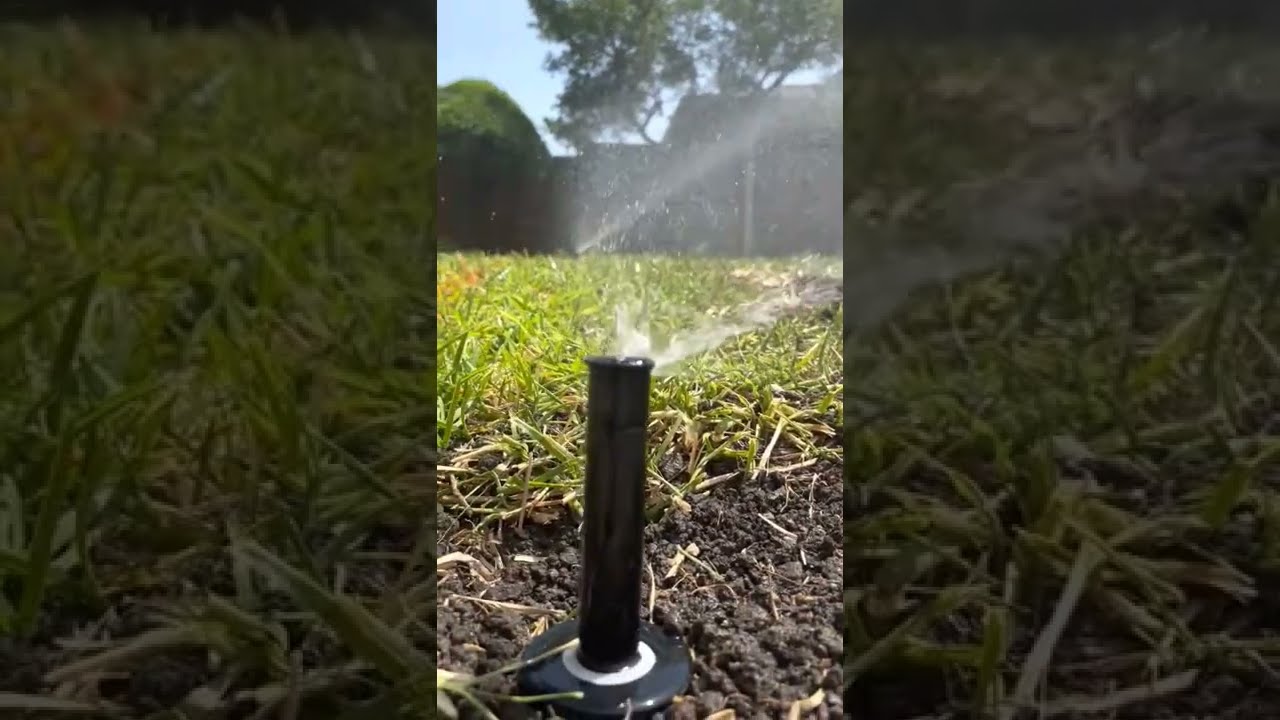
A lateral fracture or a blown fitting commonly reveals a subtle seep unless a zone is running. Hot springs only turn up throughout procedure. Manually run the zone and expect gurgling. On drip, check for a damaged distribution line under mulch. Slim black spaghetti tubing obtains sliced by edging and eaten by pets. A ten cent coupler fixes what can saturate a bed day after day.
Mainline leaks are harder. If the meter spins without zone energetic and the heartburn or master shutoff is leaking, dig there first. Cast brass installations can split in freeze occasions. PVC keys commonly split next to glued installations when they were not keyed properly. A clean elliptical exerciser fracture along the pipeline length screams solvent welding mistake, tolerable luck.
One caution: leakages can take a trip. I have gone after water twenty feet downhill from the real break because a trench bedded in sand became a surprise river. Dig near the wettest point, however be prepared to adhere to upstream.
Symptom: multiple zones are weak or heads mist in the breeze
Low pressure and atomization share an origin in several systems: the wrong stress getting to the nozzles. High pressure creates a fog that winds surprise, wasting water and leaving completely dry lawn. Reduced stress turns blades into careless dribblers that never ever reach their throw.
Start at the source. Attach a pressure gauge at the backflow examination penis and read static pressure, after that running stress with a zone on. If fixed is 60 to 70 psi and running is 45 to 55 on a blades area, you remain in range. If running stress decreases listed below 30 throughout areas, suspect a partially closed shutoff, a clogged up filter on the heartburn, or a smashed pipe. I once discovered a primary under a paver patio area squashed by an inadequately compressed base. The pressure loss was significant, but the leakage never ever surfaced since there was no break.
If stress is too high, include guideline. Numerous modern-day spray heads come stress regulated to 30 psi, noted with PRS. Blades have 45 psi variants. You can also set up an area pressure regulator or a master regulator after the backflow. In windy hallways, the distinction between regulated and unregulated sprays shows up from the street. Misting disappears, droplet dimension rises, and distribution improves.
If only specific zones are weak, check their shutoffs. A tree root can pinch a side, however much more common is a stuck valve or particles lodged in the diaphragm. Open the shutoff hood with the water off, rinse the diaphragm and seat, and reassemble carefully. If the springtime on top of the diaphragm is distorted or rusty, change the entire diaphragm package. Debris that floated in throughout lawn sprinkler installation or later primary repairs will keep coming back up until filtered.
Symptom: one area will not switch on at all
Dead areas generally map back to 5 opportunities: no power at the controller terminal, a broken usual cord, a failed solenoid, a stuck shutoff, or a shut seclusion shutoff on that particular branch.
At the controller, confirm that the terminal reveals active while running. Shake the cable on the terminal block. Loosened conductors conceal in simple view. With a multimeter set to AC, check voltage between the station incurable and the usual. Common controllers send out 24 to 28 volts when a zone is on. If you see voltage however nothing runs, transfer to the valve.
In the valve box, try turning the solenoid a quarter turn by hand while the controller calls for that zone. If the valve clicks open and water circulations, the coil is most likely stopping working intermittently or the diaphragm is stuck. Replace the solenoid initially. It is a 2 minute task and addresses a surprising number of no-starts.
No click, no flow, and no voltage? The cord is damaged or entwined improperly someplace. Adhere to the wire path. Several installers coil additional cable in the valve box or at the controller. Tug delicately. Corrosion at a direct burial splice prevails in older systems that do not have gel-filled connectors. Rebuild splices with water-proof ports ranked for direct interment, not cable nuts covered in tape.
I carry an affordable wire tracking tool to comply with a dead conductor throughout a yard. If you do not have one, a short-lived examination is to switch the suspicious area cable with a known excellent station at the controller. If the problem complies with the cord, it is not the controller. If it sticks with the station number, the controller output may be fried.
Do not neglect mechanical seclusion valves. On larger buildings, a landscaping company may have closed a round shutoff to a bed area to allow work, then never resumed it. That is a very easy victory.
Symptom: heads do not turn up or fail to retract
Dirt, that is the typical suspect. In time, great soil and yard clippings penetrate the riser seal. The springtime can no more raise or draw the stem neatly. Beginning with a flush. With the zone off, pull the head up by hand and clamp it with a head clamp. Loosen the top, eliminate the nozzle and filter, and rinse the body completely. A garden syringe filled with tidy water assists blast particles out of the riser seal.
If the head is ancient or the cap is warped from sunlight direct exposure, change the body. Carry brand-match bodies to stay clear of string problems with existing nozzles. If several heads in an area are falling short to climb, examine area stress or seek a crushed lateral. Too many heads included with time will certainly likewise starve the risers. I have found zones where a well-meaning property owner added three added sprays via funny pipeline to cover a new bed. It operated in springtime, after that collapsed in July.
If heads stick up after closure, water is weeping through a shutoff, maintaining the risers pressurized. Clean or rebuild that zone valve.
Symptom: hissing, water hammer, or babbling valves
Noisy systems frighten individuals and appropriately so. Hissing at a shutoff without any zone running suggests a leaking diaphragm. Chatter while a zone runs normally means borderline pressure or a partially shut valve that triggers cavitation. Water hammer at shutoff points to rapid closing valves and long inflexible pipe runs with no air chambers.
Clean the shutoff first. Change diaphragms if cleaning does not peaceful it. Include regulation to tame hammer and misting. If a heartburn air vent spits or weeps throughout procedure, you may more than pressurizing a reduced stress setting up or the check seats are fouled. That is not a DIY reconstruct in many jurisdictions. Call a licensed tester, and do not overlook it. A stopped working heartburn can flooding a cellar if it is located indoors.
Controller and sensing unit glitches that resemble pipes problems
It is easy to blame pipelines for what electrical wiring caused. I have actually gone after phantom leaks that were simply a rain sensing unit stuck in bypass. I have replanted mushy dirt just to realize a clever controller had pet mode energetic, which increased runtimes on flagged days.
Check the fundamentals. Ensure any kind of rain or freeze sensing units are tidy, appropriately wired, and in fact registered by the controller. Lots of modern-day controllers show sensing unit condition on display. If you see a raindrop symbol while whatever is bone completely dry, unplug the sensor and examination operation. For Wi-Fi controllers, assess the schedule and seasonal modifications. Firmware updates in some cases reset runtimes or stack programs. Visit and audit.
When a solitary terminal runs multiple times daily all of a sudden, try to find overlapping programs. Program A and B might both include Zone 3 with different start times. Split those. If drip areas run for one min when configured for 45, that is usually a flow sensing unit or master shutoff misconfiguration. Advanced includes save water when correct, and waste it when misapplied.
Frozen environments and spring start-up realities
Where winter months freeze burn out systems each autumn, many springtime concerns map back to partial or aggressive winterization. Pressed air is not type to vulnerable installations or blades internals if used thoughtlessly. A blades that spun at high RPM during blowout may grind noisily all season. Tiny check shutoffs in bodies can stick open. Backflow settings up fracture otherwise drained fully.
At spring beginning, pressurize slowly. Open isolation valves a quarter transform at once. Bleed air at examination penis. Watch the stress gauge. Remove each zone briefly to purge before affixing nozzles. Change bodies that will not seal and examine shutoffs that let heads drainpipe. A client begin conserves a dozen callbacks.
Preventive relocations that diminish your repair list
Good sprinkler maintenance is not exotic. It is uninteresting and reliable. When each month in the growing season, run a full system check during daylight. Walk with a pick and a couple of nozzles in your pocket. Readjust arcs, clear obstructions, and note any shutoff boxes that remain wet. Two times per season, draw filters at the backflow or zone regulatory authorities and rinse them. Every 2 to 3 years, budget plan to replace a portion of heads outright rather than chase periodic troubles on components long past their lifespan.
Audit runtimes. Lawn needs change month by month. A basic seasonal change function that ranges runtimes down in April and up in July keeps you sincere. On slopes, make use of cycle and saturate to prevent runoff. On clay, longer yet gentler rainfall from MP potter's wheels may be worth the retrofit, yet just if stress and spacing are correct.
If you prepare a landscape remodel, involve whoever takes care of the irrigation before mulch and plants go in. Many lawn sprinkler repair service migraines begin with afterthought additions made without accountancy for stress, flow, or matched rainfall. Good lawn sprinkler setup is peaceful and foreseeable. Negative installment ends up being a summertime hobby you did not ask for.
Tools that pay for themselves
You do not require a specialist's trailer. A small kit in a carry will certainly resolve most troubles you will certainly meet this season.
- Pressure scale with a hose pipe thread adapter and a 1 or 2 inch utility cap for test cocks
- Multimeter for 24 volt a/c checks and continuity
- Assortment of gel-filled water resistant connectors and an easy cord tracer
- Nozzles alike dimensions, filters, a few 4 inch spray bodies, a selection of rotor nozzles
- PVC cutter, guide and adhesive, amusing pipe fittings, slide repairs for 1 inch and 3/4 inch, and a head puller
Use the gauge first. It tells you whether to chase after supply or distribution. The multimeter informs you whether to dig for a busted cord or change a solenoid. Water-proof adapters stop repeats of the same electrical fault you simply fixed.
Edge instances and oddballs to view for
Split feeds, concealed tees, and crossover cords can deceive even seasoned technologies. I when opened a shutoff that must have fed just the side lawn and viewed the yard beds holler to life. A previous proprietor had actually teed into that lateral for a water fountain, after that got rid of the fountain and topped the obvious pipeline, leaving the concealed feed. Constantly assume a system has actually history.
Another repeating quirk is an area that runs weakly just at 6 a.m., after that great at noon. That is local demand. If your water pipe is shared with a neighbor's watering that starts then, stress will certainly dip. Startle your begin times or include a small booster if the neighborhood's early morning draw is fierce. Regularly, the fix is merely to run heavy-use zones later on in the morning.
On brand-new construction with PEX stubs and mix domestic and irrigation manifolds, plumbing professionals in some cases throttle irrigation accidentally. A half-turn of a compact ball shutoff concealed behind an access panel can restore typical flow.
Tree origin breach splits solvent welds and crushes laterals. If a certain bed area fails every three years and an online oak neighbors, take into consideration rerouting in sleeved pipeline or transforming that bed to drip. Drip under mulch decreases problems with root growth and makes use of water much more effectively.

When a professional conserves time and money
Most homeowners and facility supervisors can take care of simple fixes. There are times when a licensed pro with specialized devices gains their fee quickly.
- Backflow assemblies that leak, spit, or stop working yearly testing, especially minimized pressure units
- Mainline breaks under hardscape or in high-value growing beds where minimal excavation matters
- Recurrent electrical faults across multiple zones that likely need cord course tracing and valve locating
- Complex controllers tied to flow sensing units, weather data, and master shutoffs that require programs expertise
- Systems with chronic reduced pressure that might take advantage of a pump or regulatory authority redesign
A good specialist will certainly diagnose in the initial see and propose alternatives with expenses and effects. Request for before and after stress analyses, pictures of repairs, and a short strike listing for future maintenance. If they hand you a costs and no information, promote clarity.
Quick situation notes from the field
A college football field had brown arcs near the goal boxes. The premises team had actually replaced heads two times. We inspected pressure first: 62 psi static, 40 performing at the blades, penalty. Protection map showed a pattern. Only the lengthy tosses fallen short to reach. The culprit was dissimilar nozzles after a mid-season swap. The installer had actually used high angle nozzles at the edges, reduced angle in the mids, and a 3.0 gpm where a 1.5 was defined. 10 mins with a nozzle shelf dealt with a month of phone calls.
A restaurant outdoor patio flooded every Tuesday. Just Tuesday. The supervisor thought it was a sewage system concern because it scented. The watering routine showed a deep soak cycle included by the landscaper on Tuesdays before opening. One damaged funny pipe under the block side fed a covert tooth cavity till water gurgled up hours later on, lugging soil odor. We fixed the pipe, included a flexible stress regulator to that area to quit misting, and moved the cycle to mid-morning when staff could observe.
A home owner had an area that would certainly not turn off unless he reduced the primary. The valve was brand-new. We discovered a small stone lodged in the diaphragm seat, likely presented throughout a rushed sprinkler setup near a gravel driveway. He had actually purged by running the zone, which just drew the pebble tighter. We cleaned up the seat, reassembled, and recommended including a Y strainer upstream of the manifold because his well was abrasive. No repeat in 2 seasons.
Putting all of it together
Fast diagnosis hinges on a couple of practices. Step stress, do not presume. View the meter for leaks. Separate issues right into supply, control, and circulation, then evaluate the most basic piece first. Clean before you replace. When you change, match parts to pressure and precipitation. File what you discover so future you or the following technology has a beginning map.
Sprinkler systems do not have to be mystical. With a stable procedure and a tiny kit, you will certainly repair most issues promptly and protect against the remainder with consistent sprinkler maintenance. When the range pushes past comfort, generate a pro and obtain their eyes for an hour. The grass will certainly inform you when you have it right. It stops shouting with brown circles and soggy corners, and silently thrives.